
NRO extends contracts for 4 providers, readies new acquisition approach
NRO Deputy Director Maj. Gen. Christopher Povak said that the spysat agency soon will begin using a new commercial contract vehicle with a five-year "rolling" window for bids.
NRO Deputy Director Maj. Gen. Christopher Povak said that the spysat agency soon will begin using a new commercial contract vehicle with a five-year "rolling" window for bids.

"Going back to pre-Ukraine supplemental procurement levels would see the USG buying only a small fraction of the US commercial SAR capacity available; hardly enough to support combat operations or sustain a healthy US industrial base," said David Gauthier.

Do more with less: streamline workflows, reduce duplication, invest upfront to save long-term.
The new Stage III contracts are expected by industry officials to be the last of the short term, relatively small dollar awards under the SCC BAA — with senior NRO officials pushing to create a longer term program of record in the fiscal 2026 budget.
"[W]e won't be able to sell the premium technology, which means we'll be out competed by [Finland's] ICEYE and other competitors in the global market," Umbra's Jason Mallare told Breaking Defense.
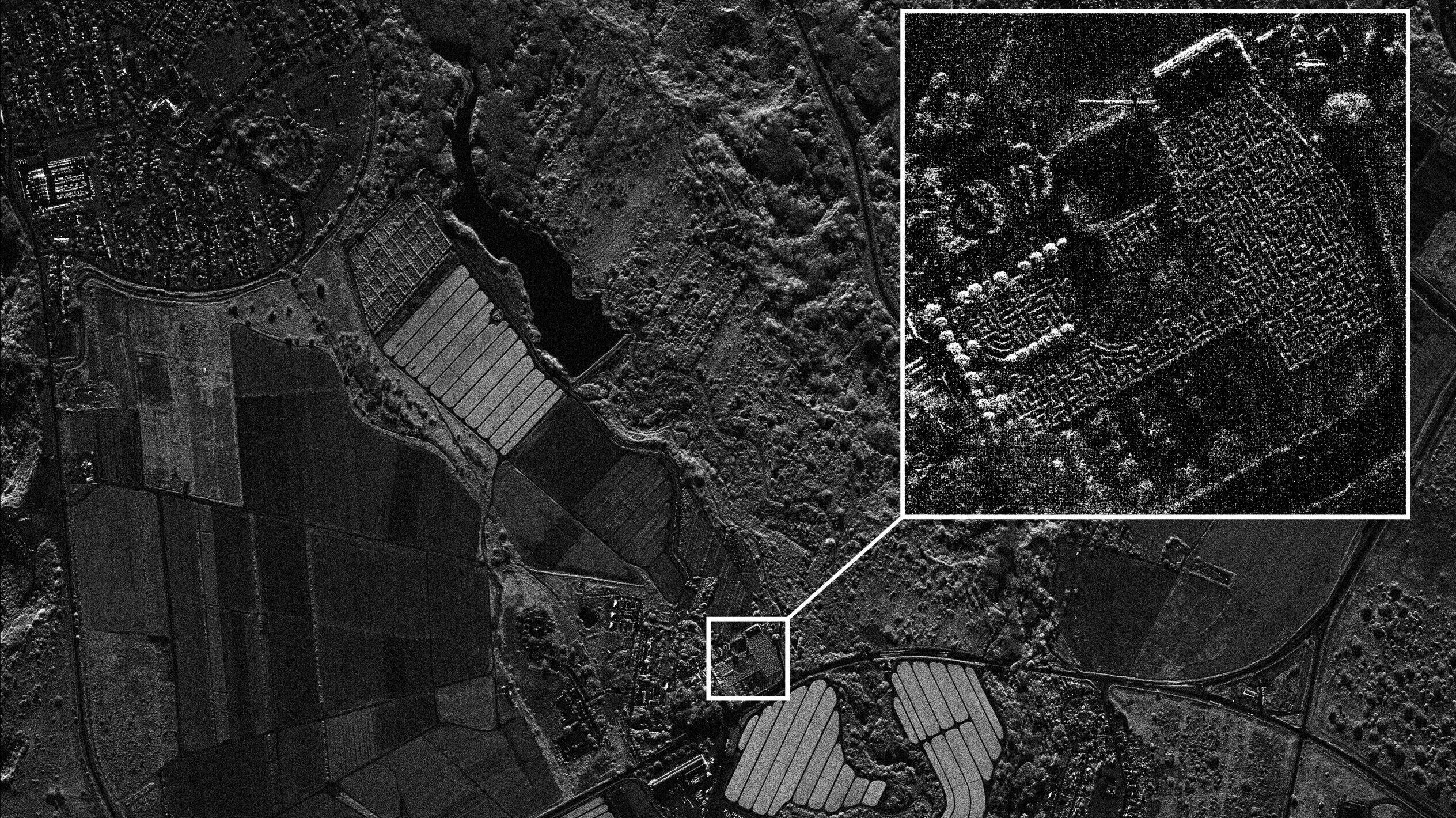
The changes included, among other things, the removal some restrictions on non-Earth imaging and rapid revsits of ground targets, NOAA explained, "and most notably," a removal of all of the restrictions imposed in 2020 on X-band synthetic aperture radar (SAR).
Todd Master, Umbra's chief operating officer and a former DARPA official, told Breaking Defense on May 22 that DRIFT "is a legitimately great example of how government can actually advance capability using commercial investments instead of just saying 'leverage commercial' over and over."


As missions stretch farther and comms grow less reliable, predictive software could become the edge that keeps missions afloat.
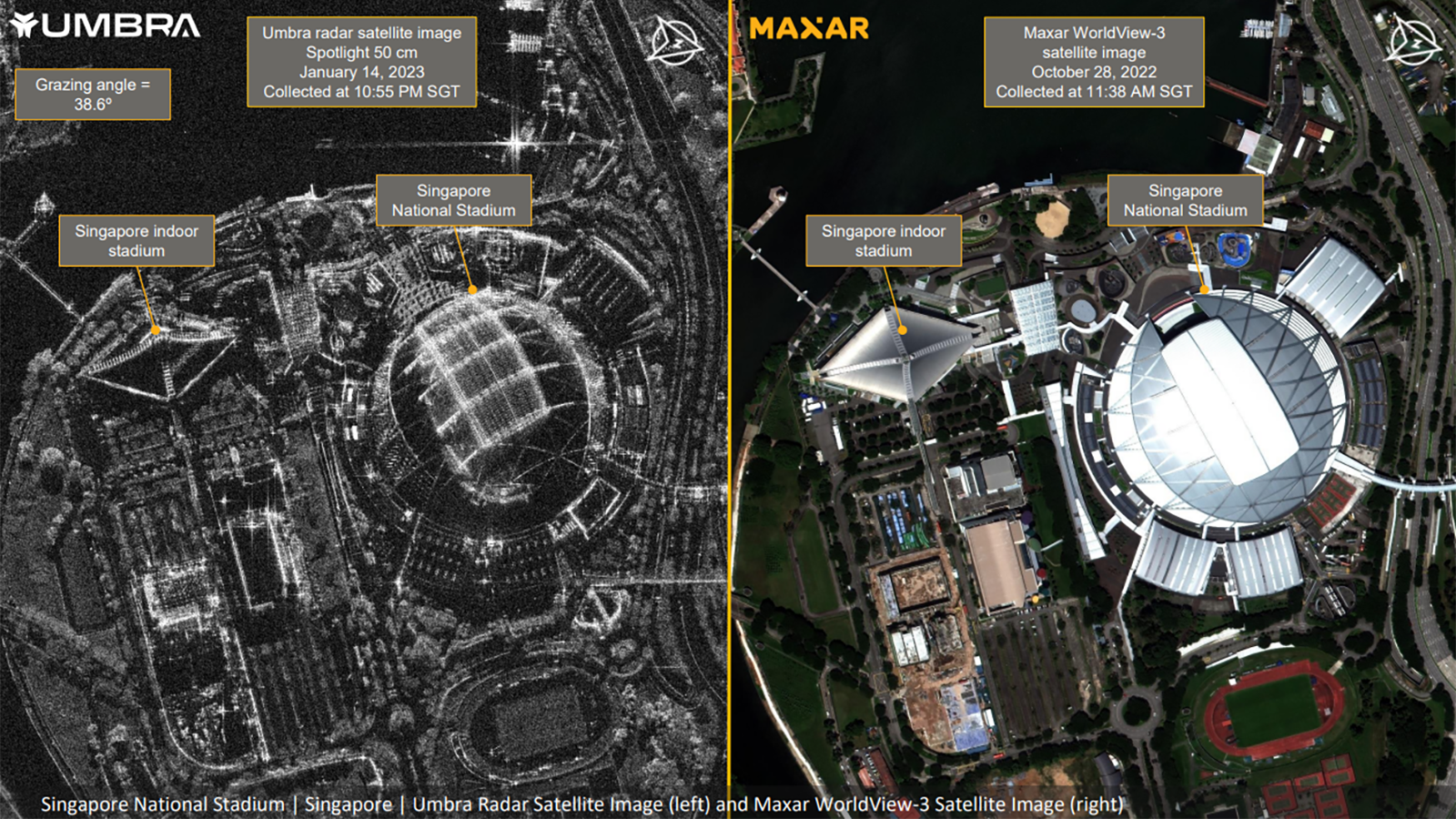
Under the deal, Maxar will be able to expand its SAR data offerings to international customers, and Umbra will get global eyes on its products, company officials told Breaking Defense.

“Since the 2019 award of an integration study contract for commercial RF, we’ve seen increasing demand for this data source from across the user community,” said Chris Scolese, director of the NRO.

The markup also calls for a comprehensive report on how DoD plans to leverage ISR data from commercial radio frequency (RF) satellites, noting that lawmakers have been "encouraged" by the successful use of RF geolocation in exercises, including by European Command.
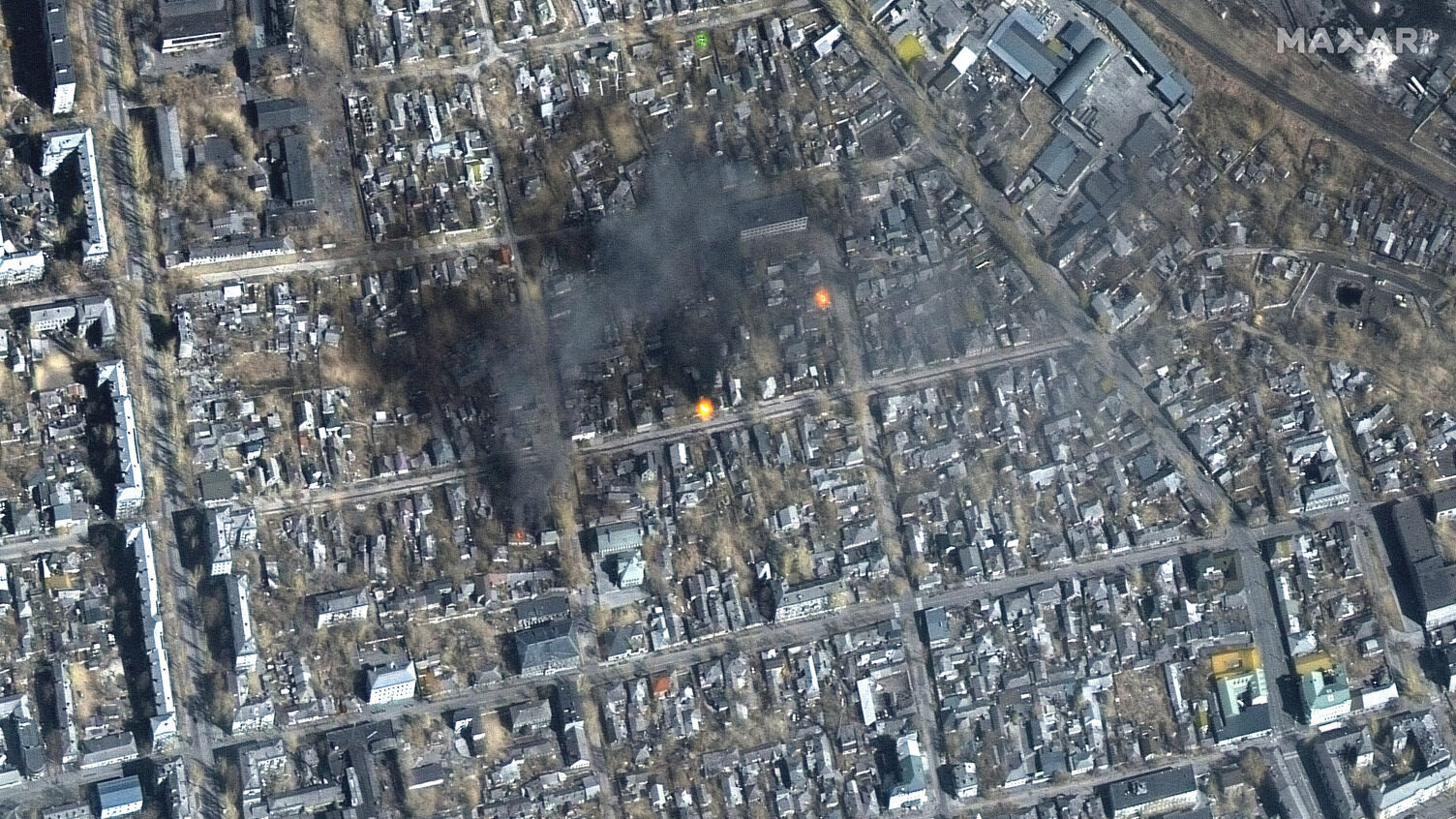
Payam Banazadeh, CEO of Capella Space, told Breaking Defense that the Ukraine war has been a "critical place for the industry to show itself," but NRO says it isn't accelerating the SAR acquisition process.

As “dirty” RF and contested environments proliferate, autonomy increasingly depends on resilient positioning.

"We've been talking about the fact that space is contested, and we're probably right in the middle now of our first space fight," said Lt. Gen. Michael Guetlein.

Later in the contracting process, NRO potentially will "have the wherewithal to purchase ad hoc imagery, data products and the like," said Pete Muend, director of the spy agency's Commercial Systems Program Office.

"I'd call it a VERY minor slow toe dip," said one stunned company rep, trying to find polite words.

The new policy is inconsistent with efforts by DoD and NGA to expand the trusted supplier base by better integrating allied firms into their acquisition chains, critics say.